
6 Things to Know About Baseball Gear
Selecting the proper equipment is a fundamental step for any player looking to excel on the diamond. Whether you are a seasoned veteran or a newcomer to the sport, the quality and fit of your equipment can significantly influence your performance and safety. The evolution of sports technology has introduced a vast array of options, making it essential to understand the nuances of each piece of equipment.
Choosing the right baseball gear requires a balance of personal preference and adherence to official regulations. The game is steeped in tradition, yet it constantly embraces innovation to protect athletes and enhance the competitive spirit. As players progress through different levels of play, their needs change, necessitating a deeper look into the technical aspects of their kits. According to Statista, revenue in the Sports Equipment market amounts to $18.5 billion in 2023. This guide explores the essential elements that define high-quality equipment in the modern era.
1. Master the Selection of Bats
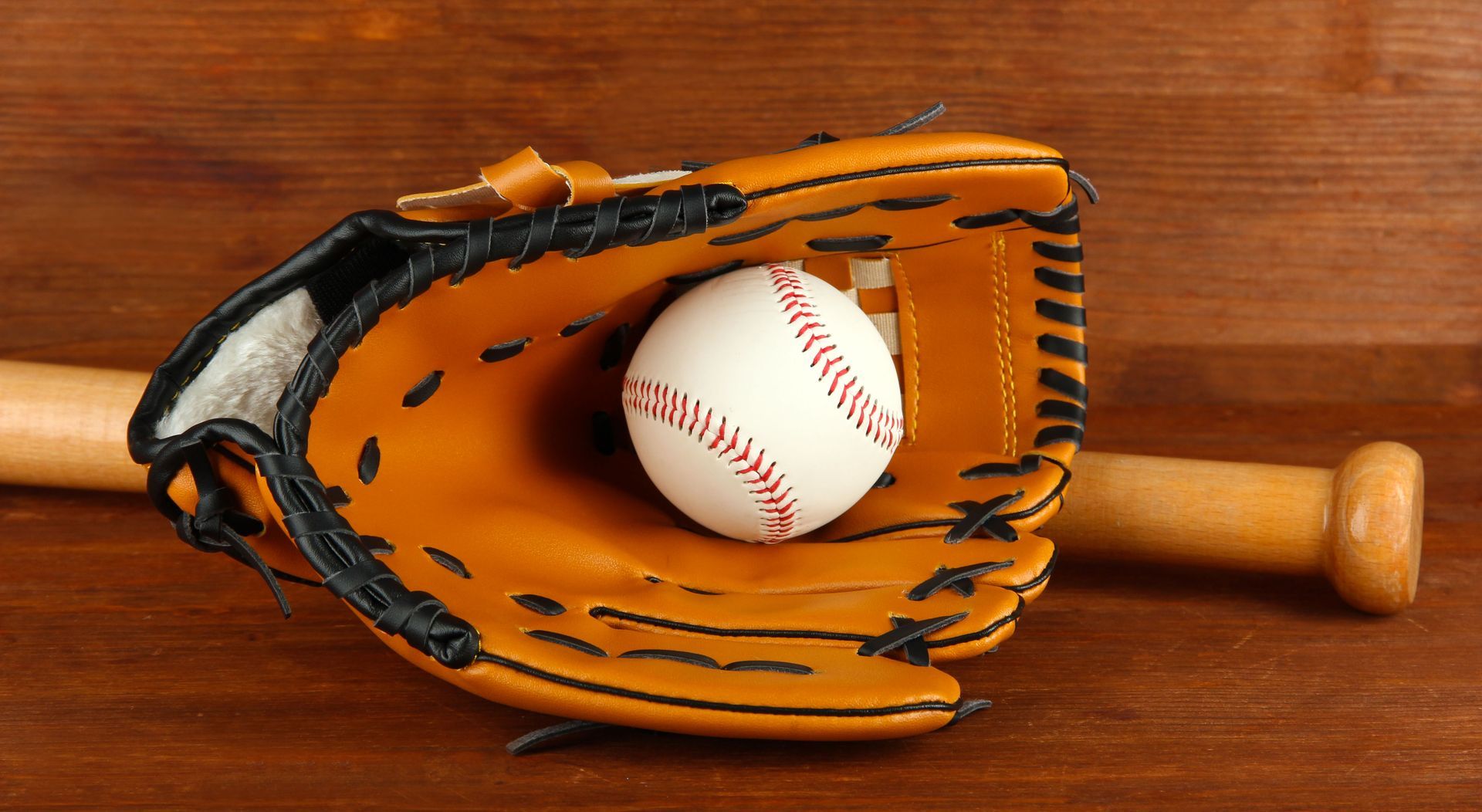
The bat is arguably the most iconic tool in the sport, serving as the primary instrument for offensive scoring. Hitters must consider the drop weight, which is the difference between the length of the bat and its total weight. A lighter bat allows for increased swing speed, which is often preferred by contact hitters who prioritize timing. Conversely, power hitters might opt for a heavier feel to maximize the force of impact.
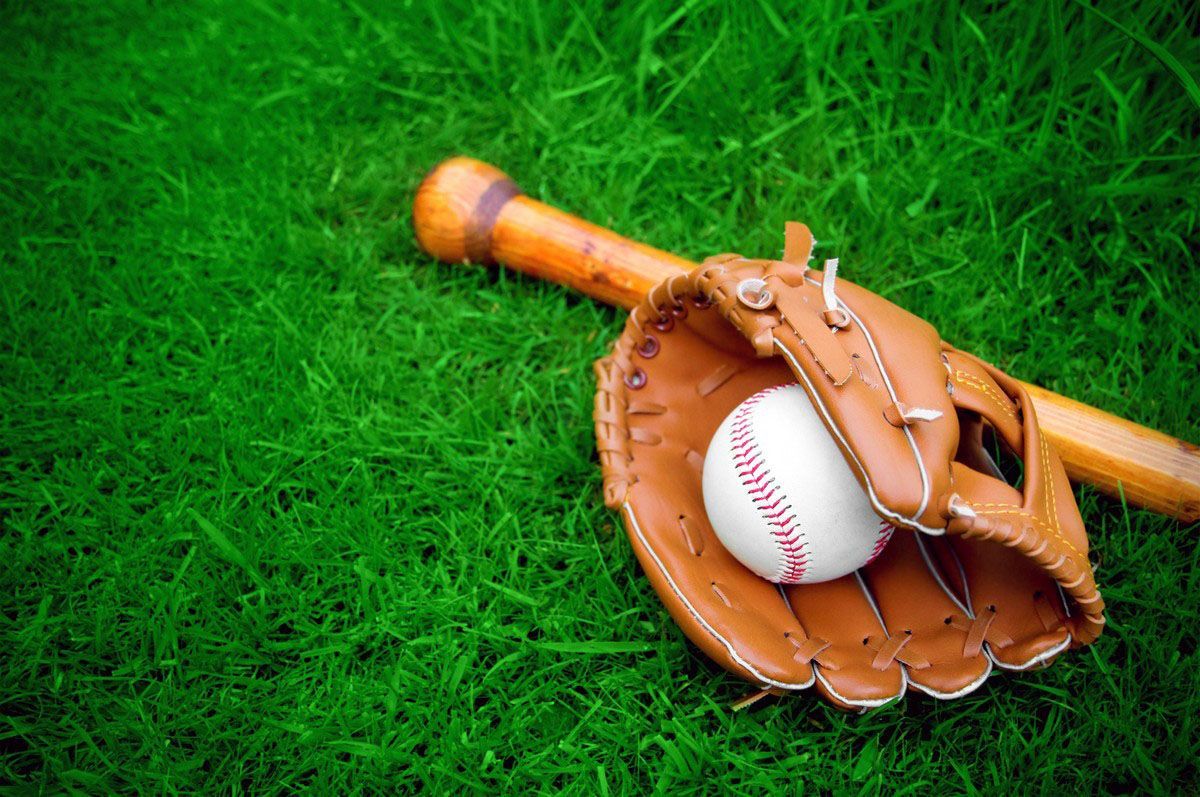
Beyond weight, the material composition plays a vital role in how the tool vibrates upon contact with the ball. Wood bats offer a traditional feel and sound, while aluminum and composite options provide a larger hitting surface and increased durability for younger players. Selecting the right baseball gear in this category depends heavily on league requirements and the physical strength of the athlete.
2. Fit the Perfect Fielding Glove
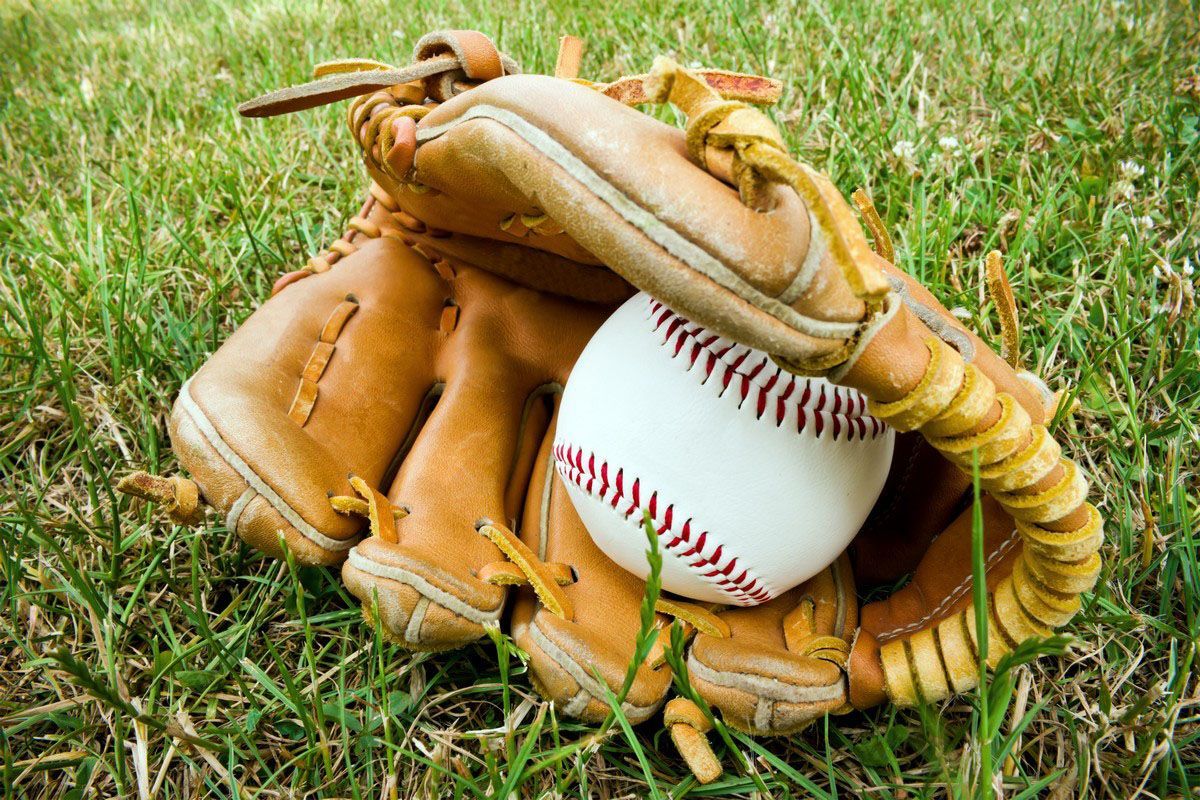
A glove is an extension of a player's hand, and its design varies depending on the position played on the field. Infielders typically utilize smaller gloves with shallow pockets to facilitate a quick transition from catching to throwing. This design allows them to pluck the ball from the dirt and relay it to first base with minimal delay. Outfielders, however, require longer gloves with deep pockets to secure fly balls and extend their reach during diving catches.
The choice of leather also impacts the longevity and feel of this essential baseball gear. Premium steerhide or kip leather offers a stiff structure that, once broken in, provides a custom fit that can last for many seasons. Specialized gloves for catchers and first basemen feature extra padding to absorb the high-velocity impact of repeated throws. Finding the right fit involves trying on various patterns to ensure the hand stalls are comfortable and the lacing is secure.
3. Prioritize Safety With Protective Guarding
Safety is a paramount concern in a sport where balls can travel at incredible speeds. The batting helmet is the first line of defense against errant pitches, and modern versions feature high-impact plastics and moisture-wicking liners. Many players now opt for extended jaw guards that provide additional coverage for the face without obstructing the field of vision. This piece of baseball gear must fit snugly without shifting during a sprint around the bases.
- Chest protectors utilize high-density foam to dissipate the energy of a direct hit.
- Leg guards feature articulated joints to allow for a full range of motion.
- Elbow and shin guards protect hitters from foul tips and inside pitches.
- Sliding mitts prevent finger injuries when diving into a base.
For catchers, the requirements for protection are even more stringent. They spend the entire game in a crouched position, facing the full force of every pitch. Their equipment must be durable enough to withstand daily abuse while remaining light enough to allow for quick movements behind the plate.
4. Optimize Traction With Proper Cleats
The ability to accelerate quickly and change direction is vital for both baserunners and fielders. Cleats provide the necessary traction to navigate the dirt and grass surfaces of the diamond. Metal cleats offer the best grip on hard-packed dirt, allowing players to dig in for a powerful swing or a quick sprint. However, many youth leagues and certain artificial turf facilities require molded plastic or rubber cleats to prevent injury and surface damage.
When selecting footwear as part of a complete baseball gear set, comfort over long innings is just as important as grip. Breathable mesh panels and cushioned midsoles help reduce foot fatigue during doubleheaders. Players must also consider the height of the cleat, as mid-top versions provide more ankle support for those prone to rolls, while low-top versions offer maximum mobility for speedsters.
5. Utilize High Performance Athletic Apparel
The uniform does more than just identify a team; it is engineered to support the physical demands of the game. Modern jerseys and pants are constructed from dual-stretch fabrics that move with the athlete. These materials are designed to be abrasion-resistant, protecting the skin during slides into home plate. Sliding shorts with integrated padding are often worn beneath the uniform to provide an extra layer of defense against friction burns.
Moisture management is another critical feature of modern baseball gear. Advanced fabrics pull sweat away from the body to keep the player cool and dry during hot summer afternoons. Even the socks and undershirts are designed with compression technology to support muscle recovery and improve circulation.
6. Organize Equipment With Specialized Bags
Transporting a full set of equipment requires a durable and well-organized bag. Players often choose between backpack styles, which are convenient for younger athletes, and large wheeled bags that can hold multiple bats and sets of catcher's equipment. These bags feature ventilated compartments to allow cleats and gloves to air out, preventing the buildup of odors and moisture that can degrade the materials over time.
- Bat sleeves protect the finish of expensive wood or composite bats.
- Fleece-lined pockets keep valuables and eyewear safe from scratches.
- Heavy-duty zippers and reinforced bottoms ensure the bag survives the rigors of travel.
- Fence hooks allow players to hang their bags in the dugout for easy access.
Maintaining organized baseball gear ensures that a player is always ready for the next play. It prevents the loss of small items like pine tar or batting gloves and keeps the dugout professional and clutter-free. A high-quality bag is the final piece of the puzzle for a prepared athlete who values their equipment.
The investment in quality equipment pays dividends in the form of confidence and safety. When a player knows their helmet is secure, their glove is reliable, and their footwear is stable, they can focus entirely on the game. Technology continues to refine the materials used in the sport, offering lighter, stronger, and more comfortable options every season. By staying informed about the latest trends and regulations, athletes can ensure they are always equipped for success on the field.
Selecting the right items is a personal journey that evolves as a player grows in skill and stature. Whether you are looking for the perfect bat or the most protective catcher's mask, the right resources make all the difference in your athletic development. For those seeking the best selection and expert advice on all their equipment needs, look no further than the dedicated professionals at Berry's Athletic Supply.


Share On: