
How to Choose Athletic Goods That Improve Comfort, Safety, and Performance
Every athlete, from the weekend jogger to the varsity competitor, depends on equipment that works as hard as they do. The right athletic goods can make a workout feel easier, protect the body from avoidable injuries, and help you perform at your best when it matters most. The wrong choices can lead to blisters, sore joints, wasted money, and lost motivation. With so many options on store shelves, knowing what to look for makes a real difference.
Interest in staying active has never been stronger. According to the Sports & Fitness Industry Association, 81.3% of Americans age 6 and older participated in at least one of the 126 sports and fitness activities tracked in the 12 months ending June 2026, while inactivity fell to a record-low 18.7%. With more people playing, training, and competing than ever, here is how to choose gear that supports comfort, safety, and performance.
Match Gear to Your Sport
Every sport places its own demands on the body, and your equipment should reflect those demands. A runner needs footwear built for repetitive forward motion, while a basketball player benefits from shoes that support quick cuts and jumps. A swimmer looks for suits that reduce drag, and a cyclist needs clothing that moves comfortably in a riding position. Gear designed for one activity rarely performs well in another, so starting with your sport keeps your choices focused.
Think about how often you will use the equipment, too. Someone who plays a sport several times a week needs durable athletic goods that hold up to constant wear, while a casual participant may be well served by simpler options. When equipment fits the activity, it supports natural movement rather than getting in the way, which helps you play better and lowers the chance of injury.
Consider Your Current Fitness Level
Where you are in your fitness journey should shape what you buy. Beginners often benefit most from gear that emphasizes support, stability, and comfort, since their bodies are still adapting to new movements. Experienced athletes, on the other hand, may look for features that fine-tune performance, such as lighter materials or more responsive footwear.
Being honest about your current level also protects your budget. Advanced equipment is not always better for someone just starting out, and it can sometimes feel less forgiving. As your strength, endurance, and skill improve, your needs will change. Revisiting your equipment every so often helps make sure it keeps pace with your progress instead of holding you back. Comfort should also be a priority at every stage, because gear that feels good encourages you to keep showing up and building healthy habits.
Align Purchases With Performance Goals
Clear goals make shopping much simpler. Someone training for a first 5K has different priorities than someone aiming to shave minutes off a marathon time, and a player preparing for a competitive season needs different gear than someone who plays for fun. When you know what you want to achieve, you can focus on the features that directly support that outcome.
Goals also help you decide where to invest. If endurance is the priority, comfortable footwear and breathable apparel may matter most. If speed or power is the focus, lightweight and responsive equipment may deserve a larger share of your budget. Choosing athletic goods with a purpose in mind keeps you from buying items that look appealing but do little to move you forward. Revisiting those goals each season helps your equipment evolve right along with your ambitions.
Plan for Weather and Environment
Where you train matters as much as how you train. Hot, humid conditions call for lightweight, breathable fabrics that help the body release heat and stay dry. Cold weather requires layers that hold in warmth without restricting movement, helping muscles stay loose and reducing the risk of strains. Wet conditions may call for water-resistant outer layers and footwear with dependable traction.
Seasonal changes mean many athletes need more than one set of gear throughout the year. Indoor and outdoor surfaces also differ, and the right shoe for a gym floor may not be the right choice for a trail or a grass field. Thinking ahead about the conditions you face most often helps you stay comfortable and consistent no matter what the forecast brings. Accessories such as moisture-wicking hats, gloves, or insulated socks can also make a noticeable difference when conditions turn extreme.
Prioritize Fabrics That Keep You Comfortable
Comfort starts with materials. Modern performance fabrics are designed to pull sweat away from the skin, allow air to circulate, and stretch with the body. These qualities reduce chafing and irritation, help regulate temperature, and let you focus on your activity instead of your clothing. Some fabrics also resist odor, which is helpful during long sessions or busy weeks of training. Seams, waistbands, and collars are worth a close look as well, since smooth, flat construction helps prevent rubbing during repetitive motion.
Weight is part of the comfort equation as well. Lighter athletic goods generally make movement feel easier and reduce fatigue over time, which is especially helpful in fast-paced sports. Many shoppers also appreciate materials made with sustainability in mind, and today there are plenty of options that combine responsible production with strong performance.
Insist on a Proper Fit
Even the most advanced gear will disappoint if it does not fit correctly. Clothing that is too tight can restrict movement and circulation, while clothing that is too loose can rub, bunch, or snag. Footwear deserves extra attention, since a proper fit supports the arch, cushions impact, and keeps the foot stable during quick changes of direction.
Cushioning and support work hand in hand with fit. Well-designed footwear absorbs shock and eases stress on the knees, hips, and back, which is especially important in high-impact activities like running and basketball. A knowledgeable retailer can help you find sizes and styles that match your body and your activity, so your athletic goods feel right from the very first workout.
Choose Protective and Visible Safety Features
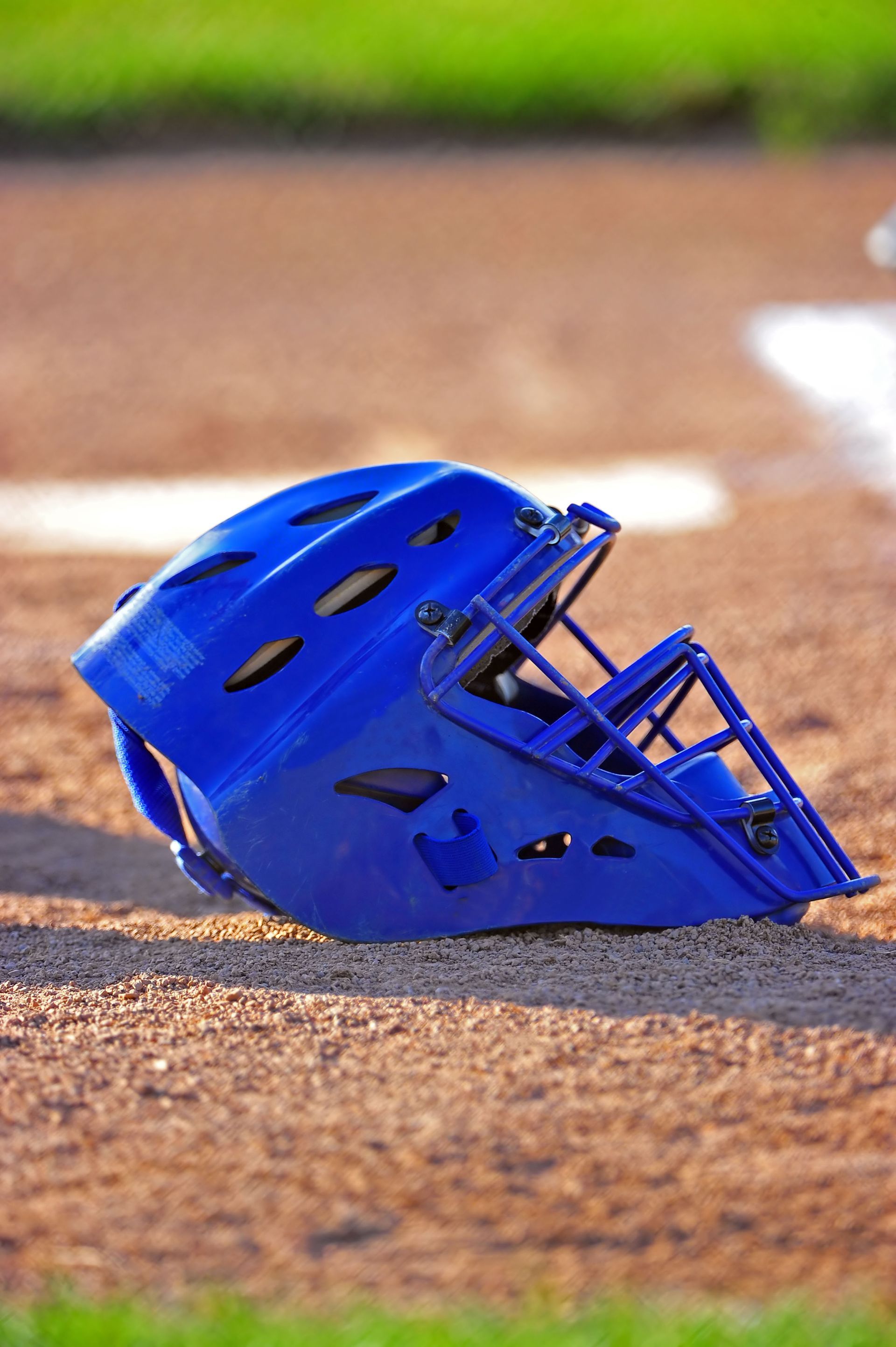
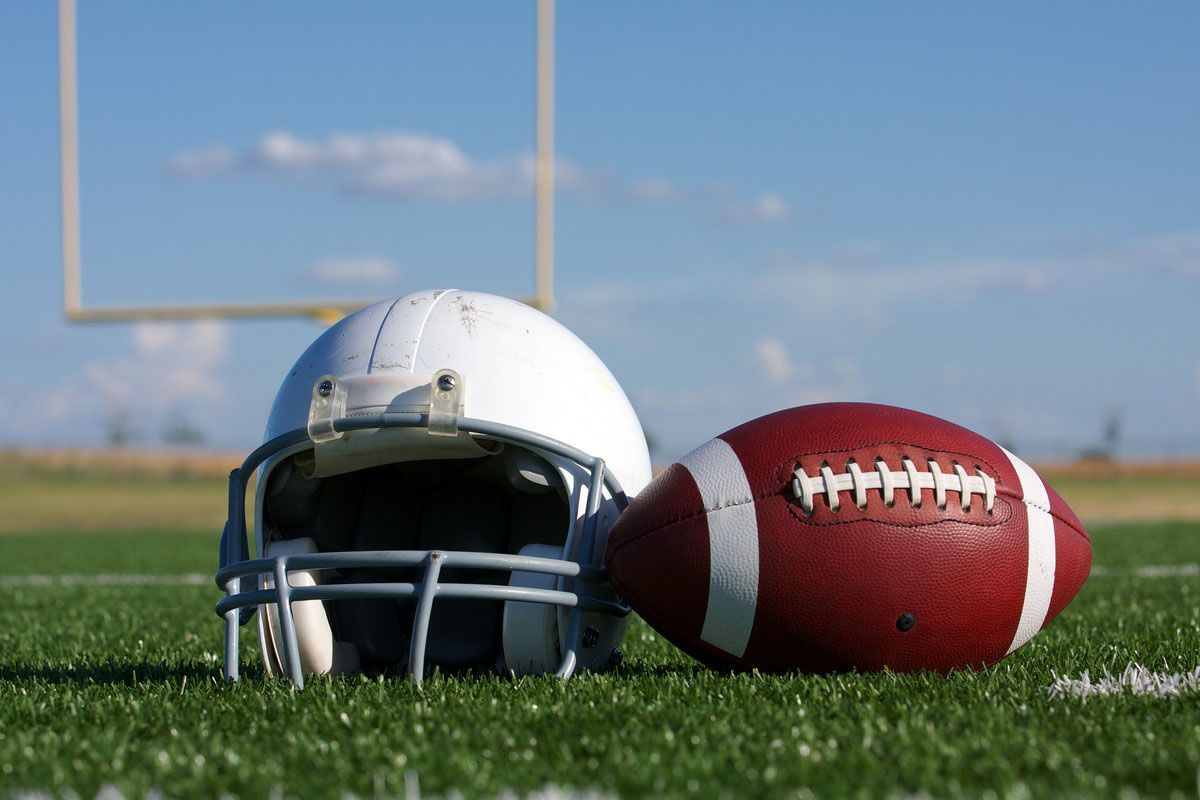
Safety should never be an afterthought. Helmets, pads, mouthguards, and other protective equipment act as a barrier against impact and help prevent serious injuries in contact and high-risk sports. Many sports have established safety standards, and choosing equipment that meets them provides added confidence that it will perform when you need it. Today's protective gear is also more comfortable and less bulky than ever, so athletes no longer have to trade mobility for protection. Replacing worn or damaged protective equipment is equally important, since padding and shells lose effectiveness over time.
Visibility is another important safety consideration, especially for runners, walkers, and cyclists who train near traffic or in low light. Bright colors and reflective details make athletes easier to see from a distance, giving drivers and others more time to react. Safety-focused athletic goods give you peace of mind, allowing you to concentrate fully on your performance.
Choosing the right equipment comes down to understanding your sport, your fitness level, your goals, and the conditions you train in, then selecting gear that delivers comfort, fit, and protection. When each piece works together, you can train longer, feel better, and enjoy every moment of the game. Thoughtfully chosen athletic goods are an investment in both your performance and your well-being. For quality equipment and friendly guidance from people who understand what athletes need, visit Berry's Athletic Supply and find the gear that helps you perform with confidence.

Share On: